
Flavor&fragrance

Linalool CAS 78-70-6

Short Description:

Linalool CAS 78-70-6

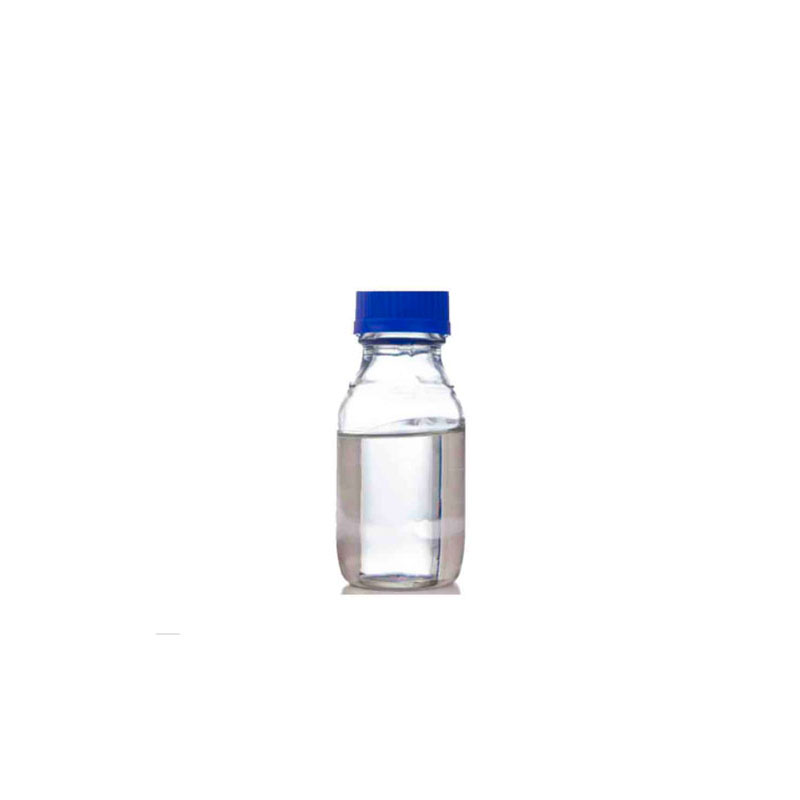
Linalool, also known as linalenol and agarwood alcohol, is a terpene alcohol and one of the well-known perfume compounds. It is a mixture of two isomers (α-linalool and β-linalool). It is extracted from camphor oil of camphor trees or synthesized from α-pinene or β-pinene in turpentine. It is a colorless oily liquid with a sweet, fresh floral fragrance resembling the aroma of lily of the valley. It is easily soluble in organic solvents such as ethanol, ethylene glycol, and ether, but insoluble in water and glycerin. It is prone to isomerization but relatively stable in alkali. Its density (at 25℃) is 0.860 to 0.867, refractive index (at 20℃) is 1.4610 to 1.4640, optical rotation (at 20℃) is -12° to -18°, boiling point is 197 to 199℃, and flash point (open cup) is 78℃. Linalool with an alcohol content of over 95% is an important perfume used in floral-type essences, perfumes, soaps, and other aromatic industries. It is widely used in blending essential oils of flowers such as lilies, cloves, sweet peas, and orange blossoms, as well as in the blending of amber-type, oriental-type, and aldehyde-type fragrances, cosmetics fragrances, and as a food flavoring agent. It can also be used as a flavoring agent for lemon, sour lemon, orange, grape, apricot, pineapple, plum, peach, cardamom, cocoa, and chocolate. Linalool with an alcohol content of 92.5% is used as a raw material for the preparation of isophytol, an important intermediate for vitamin E production in the pharmaceutical industry. It can also be used as a raw material for the production of highly valuable esters such as linalyl acetate. Linalool is an open-chain terpene tertiary alcohol with two double bonds. Due to the presence of asymmetric carbon atoms, it has three optical isomers. In nature, all three isomers exist, with the l-form being the most abundant, accounting for about 70% to 80% of the three. The l-form is mostly found in essential oils such as camphor oil (about 80 to 90%), yellow orchid oil, lavender oil, white lemon oil, orange blossom oil, sweet basil oil, galangal oil, lemon oil, rose oil, and ylang-ylang oil; The d-form is predominantly found in essential oils such as coriander oil (containing approximately 60% to 70%), sweet orange oil, nutmeg oil, and rosemary oil; the dl-form is present in essential oils like perilla oil and jasmine oil. All three are colorless, oily, transparent liquids with a lily and citrus-like aroma. Additionally, due to the proximity of its hydroxyl group to the allyl group, it significantly affects its chemical properties. In the presence of metallic sodium in an ethanol solution, it is easily reduced to generate dihydromyrcene; in the presence of platinum catalyst or Raney nickel catalyst, it can be reduced to tetrahydrolinalool, becoming a saturated alcohol. As a tertiary alcohol, it undergoes isomerization in strongly acidic media, while in weakly acidic media, it dehydrates to form esters. It is stable in alkaline media. The oral LD50 for rats is 2790 mg/kg.

Product Detail

Product Tags

Linalool CAS 78-70-6

It is a colorless liquid with a fragrance resembling bergamot (aroma of lemon). It is insoluble in water and miscible with ethanol and ether. The aroma of linalool from different sources varies. Natural linalool (isolated product) has a different aroma from synthetic linalool. Natural linalool generally has a delicate and penetrating fragrance, but it is often not a single aroma, while synthetic linalool generally has a purer aroma (except for poor quality ones). The aroma of natural linalool from different plants also varies. The isolated aroma from rosewood oil is a delicate and sweet woody aroma; the isolated aroma from magnolia leaf oil is the best, more floral, which may also be due to the presence of trace amounts of other fragrance components; the isolated aroma from linalool oil is inferior, often with notes of camphor and other scents (which may be due to defects in processing and refining).


  • Previous:
  • Next: